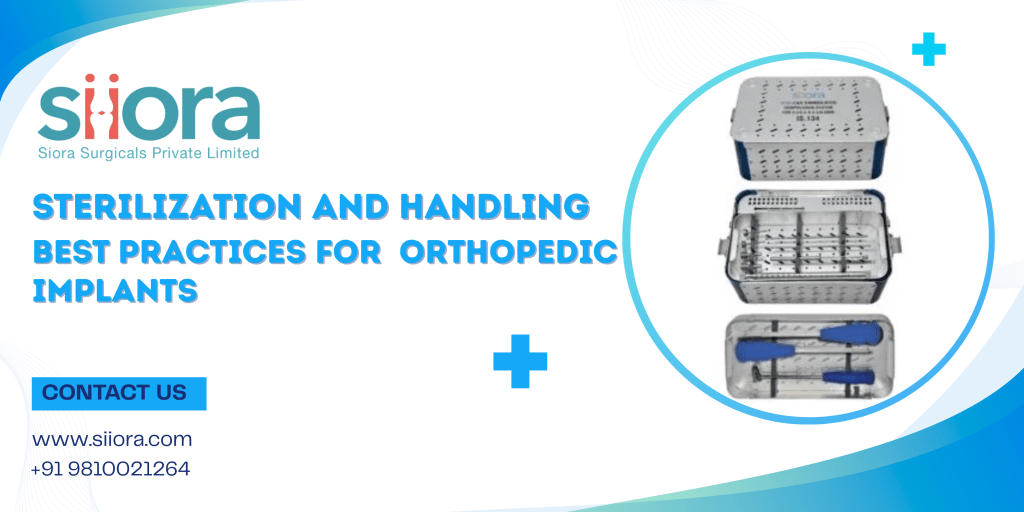
Orthopedic implants, like joint replacements, rods, and screws—play a vital role in restoring mobility and function for millions of patients each year. But while design and materials matter, how these orthopedic implants are handled and sterilized before surgery can be just as critical. A single lapse in protocol can introduce contaminants that lead to infection, implant failure, or worse. That’s why best practices around sterilization and handling aren’t just guidelines—they’re lifesaving standards.
Why Proper Sterilization Matters?
The body treats implants as foreign objects. If bacteria are introduced during surgery, especially on the surface of an implant, it creates the perfect storm for infection. Unlike skin or soft tissue, implants can’t fight off bacteria or support immune responses. Once contaminated, they can harbor biofilms, tough bacterial colonies resistant to antibiotics and the immune system. That is why sterility is not optional, but it is mandatory.
Sterilization Methods
Different implants call for different sterilization techniques. The choice often depends on the material, packaging, and manufacturer’s instructions. Here are the most common methods:
Steam Sterilization (Autoclaving)
This is the gold standard for heat-resistant instruments. High-pressure saturated steam (typically 121–134°C) kills bacteria, viruses, and spores. However, not all orthopedic implants—especially those with sensitive coatings or electronics—can withstand this heat.
Ethylene Oxide (EtO) Gas
EtO is ideal for heat- or moisture-sensitive devices. It sterilizes at low temperatures, making it suitable for complex assemblies. The downside? It requires lengthy aeration times to remove toxic residues, and it’s tightly regulated.
Hydrogen Peroxide Plasma (Low-Temperature Sterilization)
Fast and effective, this method uses vaporized hydrogen peroxide and plasma to sterilize delicate equipment. However, it’s not suitable for materials that absorb the vapor.
Gamma Radiation
Commonly used for pre-packaged, single-use implants, gamma radiation penetrates deeply and kills microorganisms without heat or moisture. It’s a one-and-done method used mostly during manufacturing.
Hospitals and surgical centers usually receive implants either pre-sterilized or non-sterile. Pre-sterilized implants must stay sealed until the moment they’re needed. Non-sterile implants require processing on-site, which brings us to the next critical point: handling.
Best Practices for Handling Implants
Sterilization is only part of the equation. Once an implant is sterile, every step of handling must prevent contamination. Here’s what that looks like:
Dedicated Clean Areas
Sterile implants should only be opened in environments that meet surgical-grade cleanliness standards. That includes laminar airflow rooms or sterile fields in the operating room.
Use Sterile Gloves and Instruments
Hands—even gloved ones—can be a major source of contamination. Sterile implants should only be touched with sterile gloves or tools. And switching gloves after prepping the patient is a smart move.
Avoid Overhandling
Every time an implant is touched, the risk of contamination increases. Limit contact, and avoid passing implants from person to person unnecessarily.
Proper Storage
Sterile implants must be stored in temperature- and humidity-controlled environments, away from chemicals or UV exposure. Expiration dates matter, so does package integrity. Damaged packaging = compromised sterility.
Documentation and Traceability
Every implant should be logged—lot number, serial number, sterilization date, and handler. This helps track problems if they arise and supports recalls if needed.
Human Factors: Training and Vigilance
Even the best protocols fail without trained, vigilant staff. Regular training on sterilization standards, updates in device handling, and infection control measures is non-negotiable. Fatigue, distractions, and poor communication are real risks in busy surgical environments. Clear checklists, role assignments, and a culture of speaking up when something’s off can prevent costly errors.
Final Thoughts
Orthopedic implants are marvels of medical engineering. But even the most advanced devices can’t do their job if compromised before they’re ever implanted. Sterilization and handling protocols are invisible shields, silent safeguards that protect patients when they’re most vulnerable. By treating these steps with as much importance as the surgery itself, healthcare teams ensure not just better outcomes, but safer ones.Get hands-on experience on various medical devices, including orthopedic implants, at the center of innovation, the FIME Show 2025.

